

For centuries, stained glass has transformed ordinary spaces into extraordinary works of art. From the soaring windows of historic churches and temples to the elegant entryways of private residences, stained glass tells stories, captures light, and preserves craftsmanship that spans generations. Yet even the finest stained glass requires care, preservation, and, at times, thoughtful restoration to ensure its beauty endures.
At McMow Art Glass, preserving stained glass is more than a service—it is a responsibility. For more than 50 years, our artisans have been entrusted with restoring and conserving treasured stained glass installations throughout Florida and beyond, helping preserve both architectural beauty and cultural heritage.
Understanding the Restoration Process
Stained glass is remarkably durable, but time, weather, environmental conditions, and structural movement can take their toll. Lead came may weaken, glass pieces can crack, protective glazing systems may fail, and years of dirt and debris can diminish the brilliance of the artwork.

The restoration process begins with a careful assessment of the piece. Our artisans examine every detail, documenting existing conditions and identifying areas requiring repair or stabilization. Whenever possible, original materials are preserved to maintain the integrity and authenticity of the artwork.
Each project is approached with respect for the original artist’s vision. Whether replacing damaged lead, repairing cracked glass, or reconstructing missing sections, the goal is always to preserve the character and craftsmanship that make each stained glass installation unique.
Serving Spaces of Every Kind
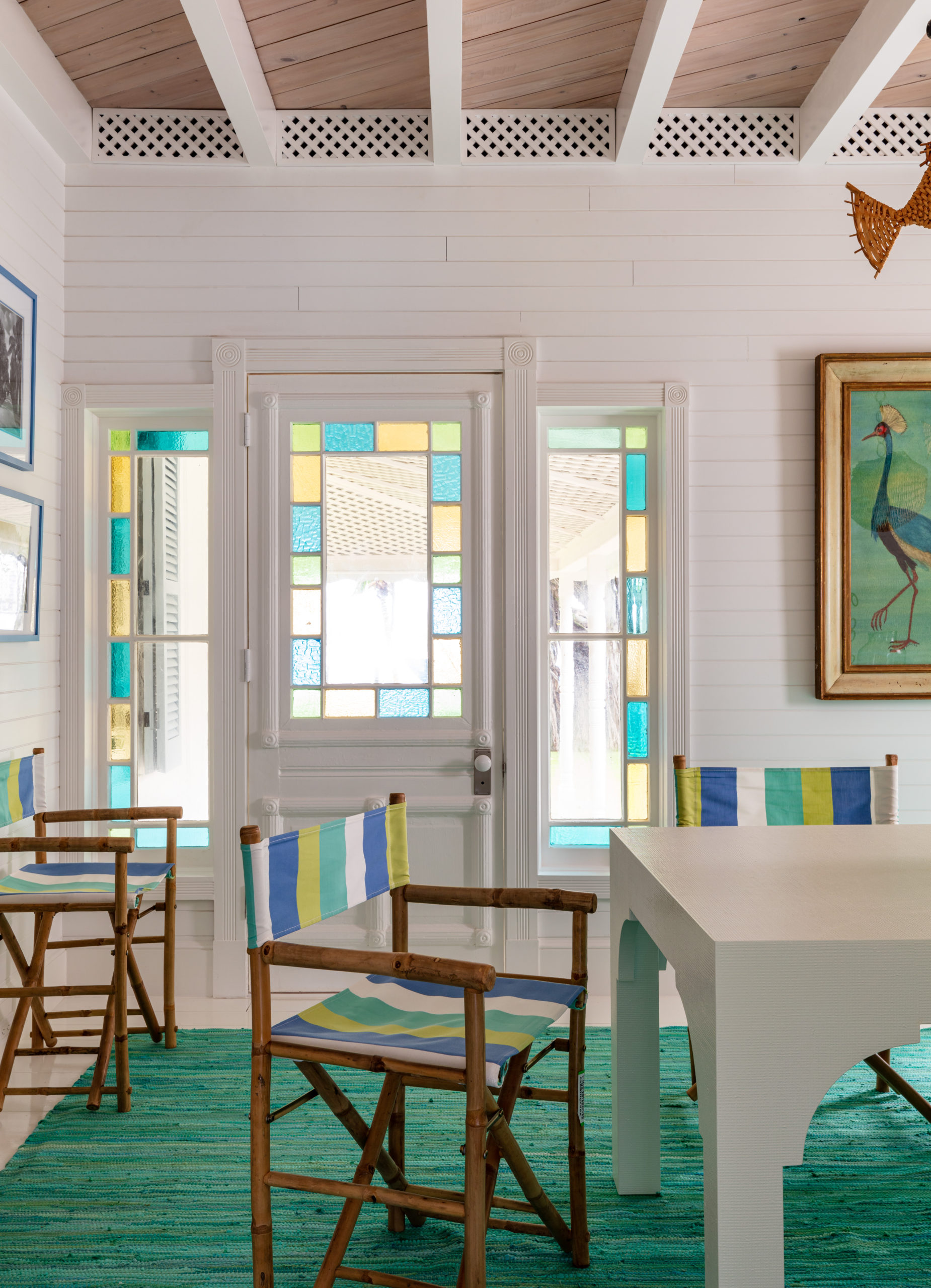
One of the most rewarding aspects of our work is the diversity of projects we encounter. McMow Art Glass has restored stained glass in a wide variety of settings, including:
- Historic churches and chapels
- Synagogues and temples
- Private residences
- Estate homes
- Educational institutions
- Museums and cultural centers
- Hotels and hospitality properties
- Public buildings and civic spaces
No two projects are alike. A century-old church window may require extensive conservation techniques, while a decorative stained glass feature in a luxury residence may need selective restoration and cleaning. Regardless of the setting, every project receives the same level of craftsmanship and attention to detail.
Preserving History Through Craftsmanship
Many stained glass installations represent significant artistic, religious, or historical value. Restoration is not simply about repairing damaged glass—it is about preserving stories, traditions, and architectural heritage for future generations.
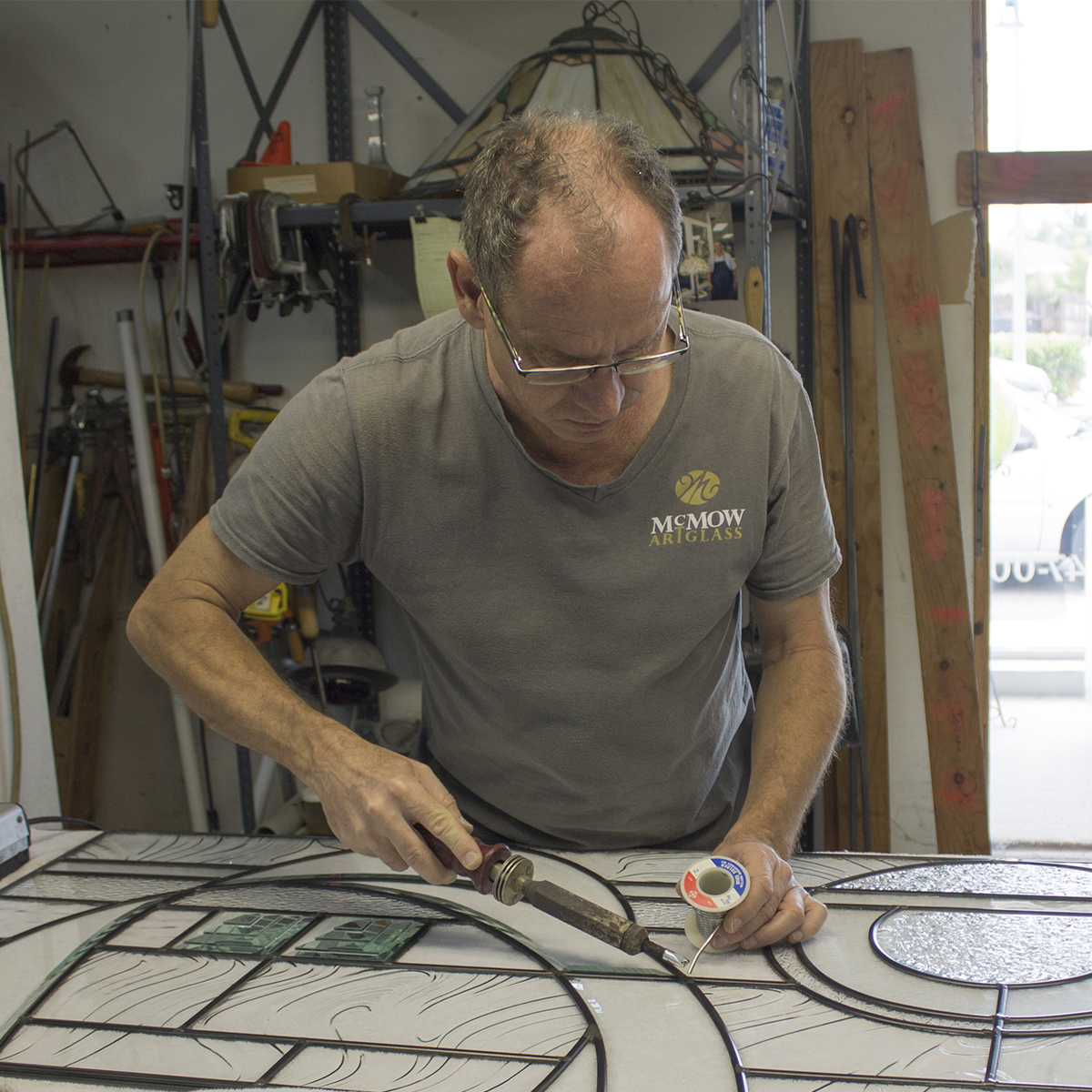
Our artisans combine traditional stained glass techniques with modern conservation practices to ensure every restoration respects the original work while providing long-term durability. This balance between preservation and innovation is essential to successful restoration.
When Restoration Becomes Renewal
In many cases, stained glass restoration does more than preserve a work of art—it renews an entire space. Once restored, colors become more vibrant, natural light returns to its intended brilliance, and architectural details that may have gone unnoticed for years are once again revealed.
Whether restoring a cherished family heirloom window, a historic church installation, or a custom stained glass feature in a luxury home, the transformation can be remarkable.
A Legacy of Preservation
At McMow Art Glass, we believe every stained glass window has a story worth preserving. Our team is honored to work with homeowners, congregations, architects, preservationists, and institutions to ensure these artistic treasures continue inspiring future generations.
From intimate residential projects to large-scale religious and historic restorations, we are proud to provide expert stained glass conservation and restoration services for projects of every size, style, and complexity.
Because preserving stained glass is about more than maintaining beauty—it is about protecting history, honoring craftsmanship, and ensuring that light continues to tell its story for years to come.