

In the late afternoon, a single amber rondel can send a warm circle of light across an entryway. Clear glass can be just as striking. Its rippled surface catches the daylight, and the view through it shifts as you walk past. For a detail small enough to hold in your hand, a rondel can change how an entire room feels.
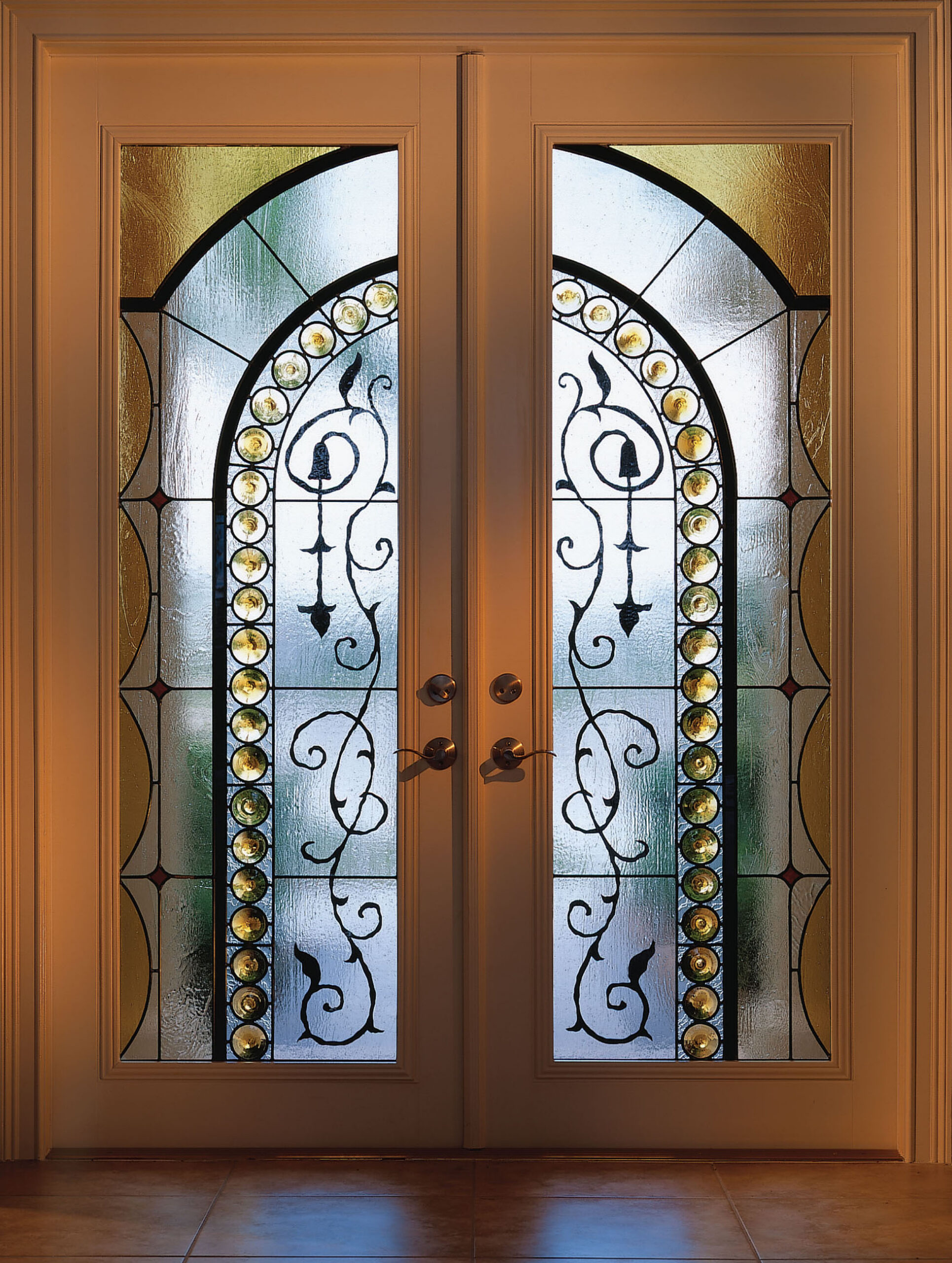
These circular pieces of glass belong to a centuries-old European glassmaking tradition. In Palm Beach, they feel right at home with the Mediterranean Revival architecture Addison Mizner made famous. Now rondels are finding their way back into private homes, from historic villas to newly built residences where owners want the character that comes with handmade glass.
An Old World detail with a Palm Beach connection
When Mizner designed the Everglades Club, which opened in 1919, he helped establish the architectural style that would shape Palm Beach for decades. He brought together Venetian Gothic windows, Moorish woodwork and other details drawn from European and Mediterranean architecture. His workshops produced many of the materials that gave his buildings their distinctive character, including decorative tile, wrought iron and stained glass. Rondels fit naturally into that tradition, where the texture and irregularity of a handmade material are part of its beauty.
That history is close to home for us at McMow Art Glass. Our founders, Shanon and Phil Materio, met while working in a stained glass studio on a project that drew inspiration from Mizner’s historic Boca Raton hotel and the work of Louis Comfort Tiffany.
How a rondel is made
A traditional hand-spun rondel begins with a small gather of molten glass on the end of a blowpipe. The glassmaker blows it into a bubble, then transfers it to a metal rod called a pontil. While the glass is still hot and pliable, the maker opens the bubble and spins it until it flares into a flat disc. Once the glass is removed from the rod, it can retain a small mark at the center. The thicker center gives some rondels their familiar bull’s-eye appearance.
Look closely and you may see a slight ripple, a softly uneven edge or a variation in thickness. Those details bend and scatter the light, giving each rondel its own character. A stained glass artisan can set a single rondel into a leaded panel as a focal point or repeat several across a window to create a pattern.
Why homeowners are bringing rondels back

A pair of clear rondels in a front-door sidelight adds texture while keeping the entry bright. A row of pale green or amber rondels in a kitchen transom can pick up the colors of cabinetry, tile or stone. In a bathroom, a rondel paired with textured glass can soften the view while still letting daylight through.
In a historic home, a new panel can take its cues from surviving glass, echoing the original scale, color and leadwork so it belongs alongside the older windows. In a newer home, the same technique can lend a sense of age to an arched doorway or add a subtle Palm Beach reference to an otherwise contemporary room.
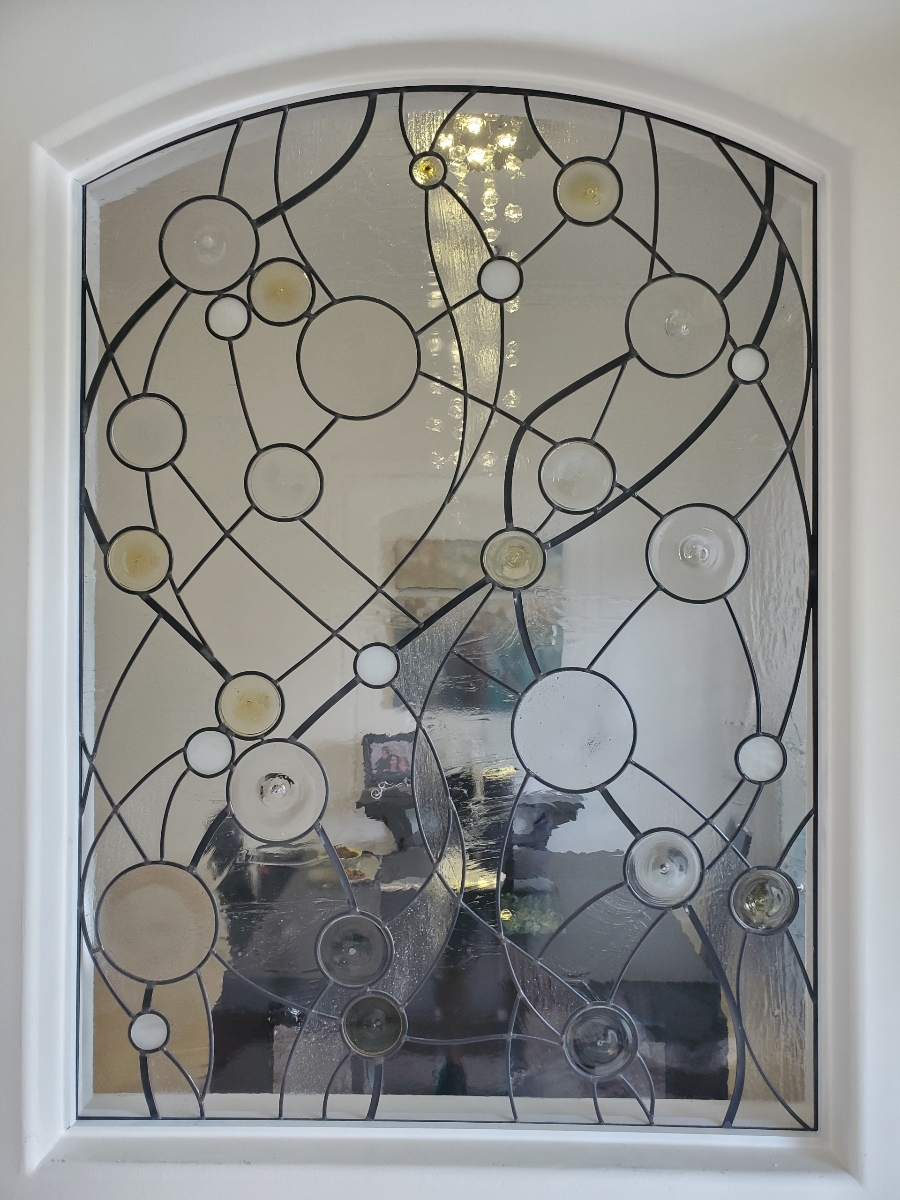
If you’re restoring an older home or designing a new one, bring us a photograph of the opening and tell us how the light moves through it. At McMow Art Glass, we can help you decide where a rondel will catch the light and how to make it feel at home in the architecture.